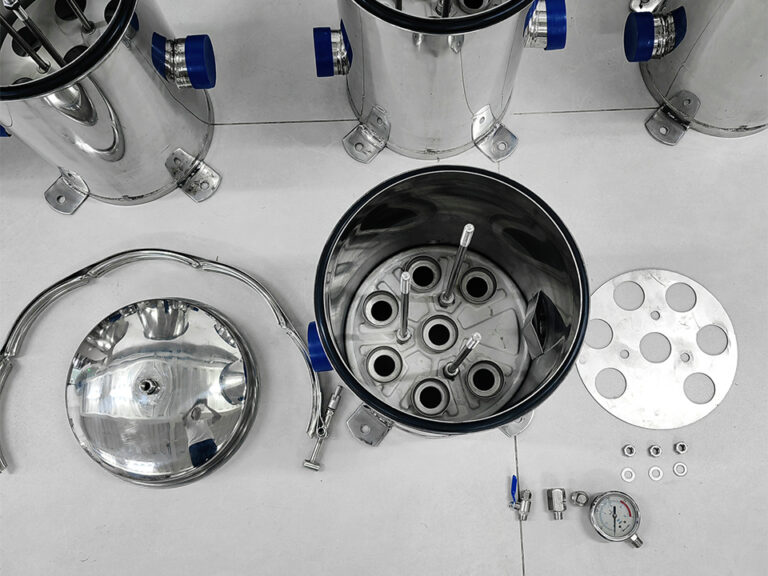
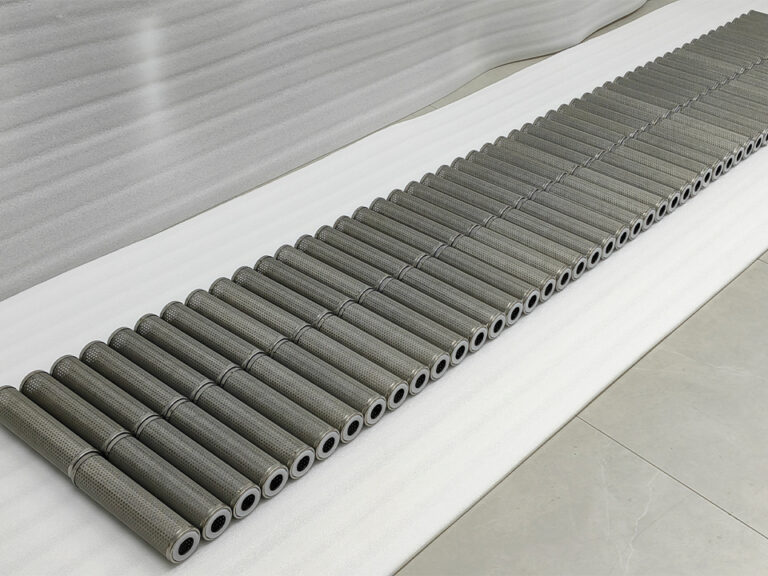
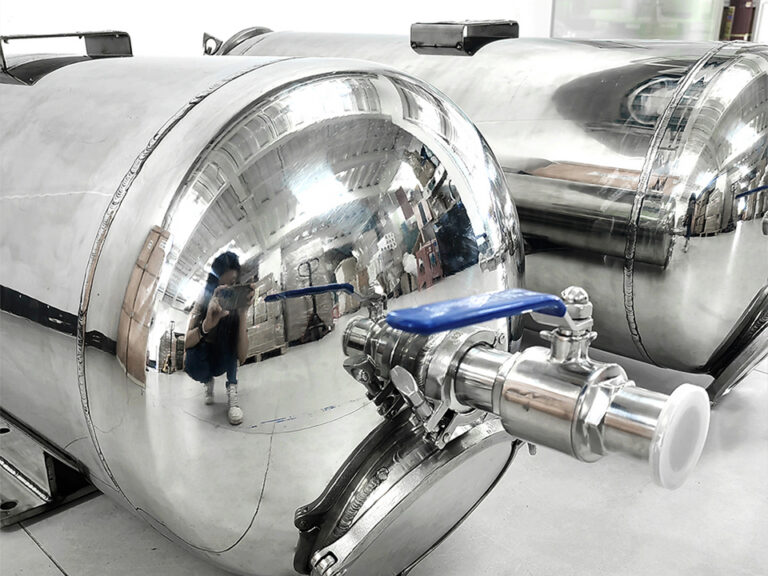
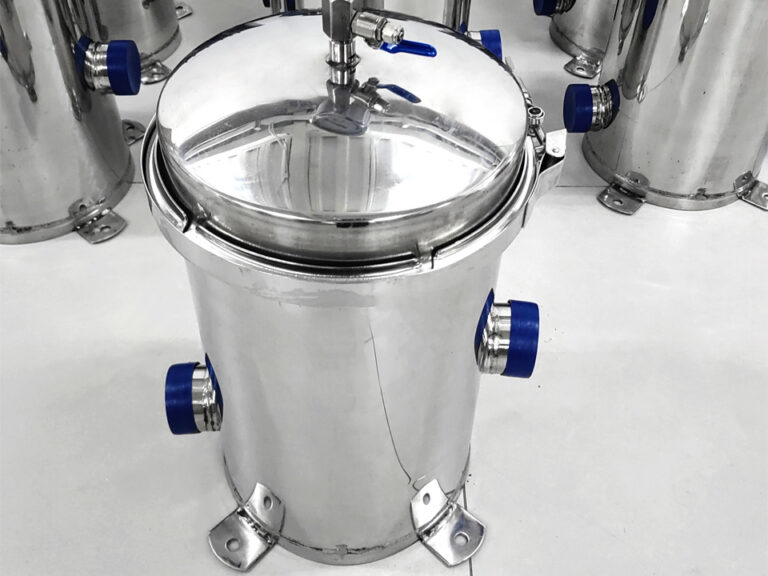
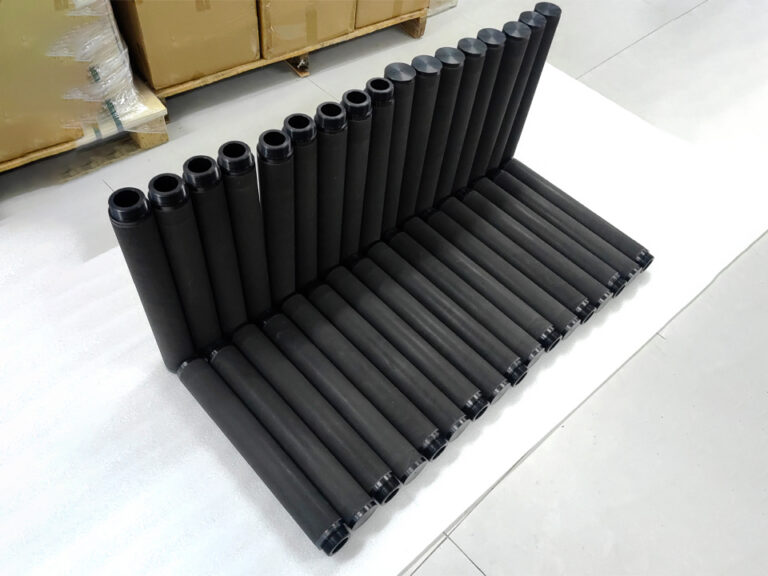
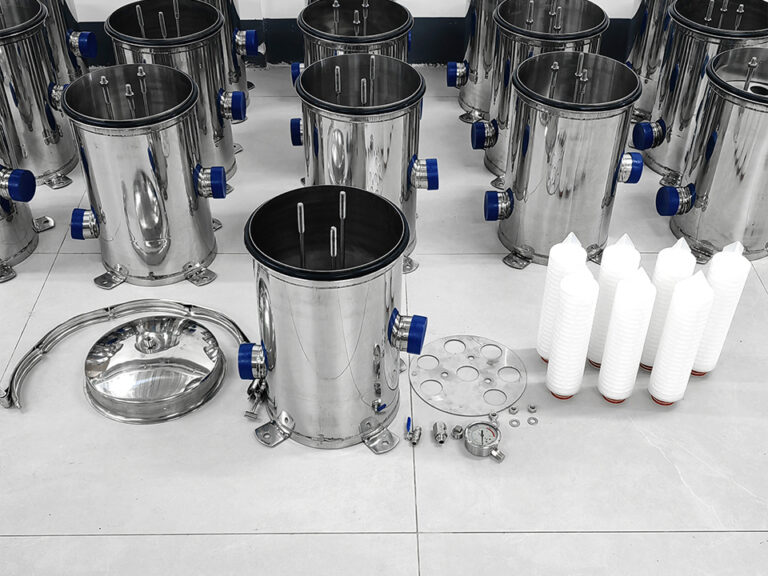
는 2009년에 설립된 산업용 필터 제조업체로 스테인리스 스틸 필터 하우징, 스테인리스 스틸 멸균수 탱크, 필터 요소, 필터 백, 초폴리머 재료 및 소결 필터 제품을 설계 및 제조합니다. 구매자는 OEM/ODM 지원, ISO9001 품질 관리 및 다국가 인증을 위해 Lvyuan을 선택합니다.
광저우 리위안 정수 장비 유한 공사.
2009년에 시작

저는 주름형 필터 카트리지를 단순히 정기 점검 항목으로 취급하는 어떤 유지보수 프로그램도 신뢰하지 않습니다. 실제 문제는 차압, 급수 내 고형물, 화학 물질 노출, 주름 붕괴, 엔드캡의 상태, O-링 문제, 그리고 카트리지가 이미 고장 난 후에도 “그냥 다시 세척해 줬을 뿐”이라고 말하는 담당자 등 다양한 요인에 있기 때문입니다. 왜 굳이 겉으로만 그럴듯하게 꾸미려고 하는 것일까요?
주름형 카트리지는 문제가 생기기 전까지는 비용이 많이 들지 않는 것처럼 보입니다. 펌프, 멤브레인, 스테인리스 하우징, 인건비, 가동 중단 시간, 불량 배치, 고객 불만 등에 비하면 카트리지 자체의 비용은 저렴해 보일 수 있습니다. 하지만 저는 이 업계에서 “긴 수명”을 마치 “무제한 재사용”을 의미하는 것처럼 홍보하는 것을 지켜봐 왔습니다. 하지만 결코 그렇지 않습니다.
더 적절한 질문은 “이걸 청소할 수 있을까?”가 아닙니다. 더 적절한 질문은 다음과 같습니다: 정화 작업을 통해 오염 위험을 높이지 않으면서도 효율성을 되찾을 수 있을까요?
주름형 카트리지 필터 세척 방법을 찾는 많은 사람들은 이 분야에 열광하는 애호가들이 아닙니다. 이들은 설비 가동을 중단하는 상황을 방지하거나, 구매 결정을 보호하거나, 지난 분기에는 90일 동안 사용 가능했던 똑같은 카트리지가 이번 분기에는 18일 만에 막혀버린 이유를 설명하려고 애쓰고 있습니다.
이 조치는 정보 제공을 목적으로 하지만, 실질적인 상업적 효과도 있습니다. 유지보수 감독관은 선택의 폭이 넓은 규정을 원합니다. 구매자는 세척이 가능한 주름형 이물질 필터 카트리지가 일회용 멜트블로운 PP 심층 필터 카트리지보다 더 비싼 가격을 지불할 만한 가치가 있는지 알고 싶어 합니다. 공장 소유주는 비상 발주 건수가 줄어들기를 바랍니다.
소형 시스템의 경우, 콤팩트한 투명 부분이 있는 5인치 PP 필터 카트리지 이는 미관상 점검을 훨씬 수월하게 해 주며, 특히 압력 저하가 뚜렷하게 나타나기 전에 작업자가 녹, 모래 또는 갈색의 자연 발생 이물질을 확인해야 할 때 더욱 유용합니다. 더 큰 규모의 예비 여과의 경우, 5-10 미크론 PP 이물질 필터 카트리지 일반적인 1단계 공정의 역할에 부합합니다. 즉, 하류 공정에서 더 정밀한 정화를 방해하기 전에 일시적으로 보류된 고형물을 포집하는 것입니다.
주름형 카트리지는 여과재를 특정 형상으로 접어 표면적을 확대합니다. 표면적이 넓어질수록 동일한 여과재를 평평하게 펼친 형태에 비해 초기 압력 강하가 작아지고, 오염 물질 보유 능력이 높아지며, 수명이 연장됩니다.
하지만 표면적이 훨씬 더 넓다는 것은 고체가 숨을 수 있는 곳도 훨씬 더 많다는 것을 의미합니다.
이물질이 주름 골짜기에 쌓입니다. 상류 표면 부근에는 산화철이 덩어리져 굳어집니다. 탄산칼슘 침전물이 매체를 팽팽하게 조입니다. 생물막은 늘 그렇듯, 여러분이 작성한 스프레드시트는 외면한 채 유속이 느리고 따뜻하며 영양분이 풍부한 곳에서 살아있는 막을 형성합니다.
CDC의 2024년 식수 관련 집단발병 감시 보고에 따르면, 2015년부터 2020년까지 총 214건의 식수 관련 집단발병 사례가 보고되었으며, 이로 인해 최소 2,140건의 건강 문제, 563건의 입원, 88건의 사망이 발생했습니다. 레지오넬라균은 많은 생물막 관련 집단발병 사례와 거의 모든 관련 사망 사례와 연관되어 있었습니다. 이는 카트리지만으로는 미생물학적 문제를 해결할 수 없다는 주장이 아닙니다. 이는 오염되고 습기가 찬 시스템도 존중받을 자격이 있다는 주장입니다.
주름형 카트리지 필터는 포집된 오염 물질이 입자 형태로 떠다니거나 주로 표면에 쌓여 있을 때 세척 효과가 가장 뛰어납니다. 모래, 녹 조각, 굵은 미사, 눈에 띄는 침전물 등은 일반적으로 세척을 통해 제거할 수 있습니다. 그러나 점토, 기름, 생물막, 이물질, 끈적거리는 유기물, 침전된 금속 입자 등은 처리하기 까다로운 사례들입니다.
어쩔 수 없는 사실: 카트리지가 불쾌한 냄새가 나거나, 손에 닿았을 때 끈적거리는 느낌이 들거나, 주름 골이 변색되었거나, 세척 후 압력이 회복되지 않는다면, 이는 “재활용 가능”한 상태가 아닙니다. 이는 처분해야 할 폐기물입니다.
세척이 가능한 PP, ANIMAL 또는 폴리에스터 주름형 카트리지의 경우, 저압의 깨끗한 물을 사용하고 가능하면 깨끗한 쪽에서 더러운 쪽으로 헹구십시오. 제조업체에서 승인하지 않는 한 고압 세척기를 사용하여 주름을 부풀리지 마십시오. 고압 세척기를 10초만 잘못 사용해도 여과재가 찢어지거나 여과 구조가 무너져, 5 µm 카트리지가 쓸모없는 플라스틱 조각으로 변해버릴 수 있습니다.
세척 후에도 유량이 허용 기준치로 회복되지 않거나, 압력 강하가 계속 높게 유지되거나, 여과재가 찢어지거나 뒤틀렸거나, 마감 캡이 다르거나, 밀봉부가 손상되었거나, 교체 비용보다 공정 위험이 더 큰 경우에는 주름형 필터 카트리지를 교체해야 합니다.
저는 아주 간단한 현장 원칙을 따릅니다. 청소 후에도 동일한 작동 압력에서 원래 유량의 최소 70~80%가 회복되지 않는다면, 더 이상 헛된 기대를 버리세요. 바로 교체하세요.
EPA의 2024년 PFAS 음용수 규정은 정수 관련 결정이 점점 더 엄격해지는 규제 환경으로 접어들고 있음을 상기시켜 주는 유용한 사례입니다. EPA는 PFOA 및 PFOS에 대해 4.0 ppt의 강제 적용 가능한 최대 오염 물질 농도(MCL)를 설정했으며, 2027년부터 점검 기한이 시작되고, 기준치를 초과할 경우 2029년까지 처리 조치를 취해야 할 것으로 예상됩니다. 주름형 이물질 필터 카트리지가 단순한 전처리 단계에 불과하더라도, 전처리 성능이 미흡할 경우 하류 단계의 활성탄, 이온 교환, 역삼투(RO) 또는 특수 필터 매체의 수명을 단축시킬 수 있습니다.
| 문제 | 카트리지 청소하기 | 카트리지 교체 | 제 생각 |
|---|---|---|---|
| 스트레스 감소 폭이 기준치보다 20–30% 증가한다 | 네, 유량이 여전히 안정적이라면 | 아직 아닙니다 | 공황 상태에 빠지기 전에 차분히 차등 응력 기록을 시작하세요 |
| 압력 강하가 기준치 대비 두 배로 증가 | 아마도 ~할 때 | 보통 곧 | 세탁은 시간을 벌 수는 있겠지만, 신탁 기금은 아니겠죠 |
| 주름이 눌리거나, 접혀 있거나, 서로 달라붙어 있다 | 아니요 | 예 | 기하학적 손상은 해당 영역이 사라졌음을 시사한다 |
| 매체에 찢어진 자국, 작은 구멍 또는 우회 흔적이 있습니다. | 아니요 | 예 | 단 하나의 우회 네트워크만으로도 하류 측의 고품질 서비스를 저해할 수 있습니다 |
| 표면의 녹, 모래 또는 흩어진 퇴적물 | 예 | 치유 효과가 나쁠 때만 | 가장 이상적인 청소 상황 |
| 기름, 슬러지, 생물막 또는 끈적거리는 유기물 | 거의 절대 | 보통 그렇습니다 | 청소를 하면 문제가 더 깊게 퍼질 수 있다 |
| 끝단 파손 또는 접착제 박리 | 아니요 | 예 | 기계적 고장은 매번 마이크론 등급의 성능을 무력화시킨다 |
| O-링이 눌리거나, 염증이 생기거나, 잘린 경우 | 씰 교체 | 씰이 필수적인 경우 카트리지를 교체하십시오. | 부정적 밀봉은 여과 효과에 대한 주장을 무의미하게 만든다 |
| 플로우, 정리 작업 후 70% 아래로 회복 | 아니요 | 예 | 이 카트리지는 재정적 한계를 넘어섰다 |
주름형 카트리지와 멜트블로운 카트리지는 고장 양상이 서로 다릅니다.
표면적 부하 용량, 세척성, 낮은 압력 강하, 그리고 중간 수준의 고형물 농도에서 긴 수명이 필요한 경우, 주름형 이물질 필터 카트리지가 일반적으로 훨씬 더 우수합니다. 정격 깊이 구조를 통해 저렴한 일회용 포집 성능을 원할 때는 용융방사 PP 심층 카트리지가 일반적으로 훨씬 더 우수합니다.
따라서 최고의 주름형 정수 필터 카트리지가 항상 최상의 카트리지인 것은 아닙니다. 일부 원수 처리 시스템에서는 상류에 더 저렴한 멜트블로운 필터를 설치함으로써 하류의 주름형 카트리지를 보호하기도 합니다. 반면 다른 시스템에서는 고형물을 세척할 수 있기 때문에 주름형 필터 하나가 일회용 카트리지 여러 개를 대체하기도 합니다.
대유량 예비 여과의 경우, a 152mm 대구경 PP 멜트블로운 코어리스 카트리지 비용이 더 많이 드는 미백 공정을 진행하기 전에 고려해 볼 만합니다. 정압 등급의 상업용 설비의 경우, 하우징도 중요한 문제이며; a SUS304/SUS316L 스테인리스강 카트리지 필터 하우징 가혹한 사용 환경에서 경량형 제품보다 운전자에게 훨씬 더 큰 기계적 신뢰감을 제공합니다.
기억에만 의존해 카트리지 유지보수를 수행하지 마십시오. 기억이란 곳은 악성 필터링 프로그램들이 사라지는 곳입니다.
다음 값들을 추적하세요:
미국 질병통제예방센터(CDC)는 2023년, 해당 연도 미국에서 식수를 통한 직접 노출로 인해 약 113만 건의 수인성 건강 문제가 발생했으며, 약 47,700건의 입원 사례가 발생했고, 총 직접 의료비가 $1.39억에 달한 것으로 추산했습니다. 생물막 관련 바이러스가 심각한 우려의 주된 원인이었습니다. 다시 말해, 정수 카트리지만으로는 완벽한 수질 안전 및 보안 전략을 구성할 수 없습니다. 하지만 카트리지를 소홀히 관리하는 것은 바로 이러한 사소한 위협들이 누적되어 큰 문제를 일으키는 주된 원인입니다.
먼저 시스템을 분리하십시오. 그런 다음 압력을 제거하십시오. 압력이 가해진 상태에서 하우징을 열어 유지보수 작업을 안전 사고로 번지게 하는 사람이 되지 마십시오.
카트리지를 분리하여 밝은 조명 아래에서 점검하십시오. 주름, 엔드 캡, 중앙 코어, 개스킷, 그리고 DOE, 222, 226 연결 부위를 모두 확인하십시오. 구조상 가능한 경우, 깨끗한 쪽의 외부부터 세척하십시오. 깨끗한 물과 적당한 물의 흐름을 사용하며 꼼꼼하게 세척하십시오. 화학 세척이 허용되는 경우, 매체에 적합한 세척제를 선택하십시오. PP, PET, PES, 나일론, PTFE는 각기 다른 화학 성분에 대한 내성이 다르기 때문입니다.
절대 청소용 화학 물질을 함부로 혼합해서는 안 됩니다. 차아염소산나트륨, 산, 가성소다, 용제는 서로 호환되지 않는 물질입니다. 이들은 호환성 표, 노출 한계치, 그리고 발생할 수 있는 위험이 명시된 공정용 화학 물질입니다.
세안 후, 같은 양을 다시 바르고 스트레스를 줄이는 절차를 따르세요. “더 깨끗해 보인다”거나 “더 좋아 보인다”는 게 아닙니다. 실제로 실천하세요.
청소 비용은 현금으로 지출됩니다. 인건비도 현금으로 지출됩니다. 수도비도 현금으로 지출됩니다. 가동 중단 비용도 현금으로 지출됩니다. 위험 비용은 더 많이 듭니다.
카트리지 비용이 세척, 점검, 재설치, 검사 및 기록에 소요되는 인건비보다 훨씬 적다면, 교체하는 편이 더 유리합니다. 이것이 바로 일회용 PP 멜트블로운 필터가 침전물이 많은 작업 분야에서 널리 사용되는 이유입니다. 하지만 카트리지가 크거나, 특수 등급이거나, 스테인리스 스틸 지지대가 장착되어 있거나, 유량이 높은 경우, 혹은 폐쇄 비용이 많이 드는 시스템에서 사용되는 경우에는 체계적인 세척이 합리적인 선택이 될 수 있습니다.
진정한 실수는 하나의 지침을 모든 상황에 일률적으로 적용하는 것이다.
가정용 정수의 경우, 원수의 상태에 따라 3~6개월마다 필터를 교체하는 것이 합리적일 수 있습니다. 산업용 전처리 필터링의 경우, 고형물 함량이 높은 환경에서는 매주, 안정적인 조건에서는 분기별로 교체할 수 있습니다. 고순도 수, 식품·음료·제약 또는 전자 산업용 수질의 경우, 외관상의 청결함만으로는 충분하지 않으며, 검증된 성능이 필수적입니다.
주름형 필터 카트리지를 세척하려면, 필터를 분리하고 압력을 해제한 후, 이물질을 제거하고, 깨끗한 면의 외부를 저압의 물로 헹군 다음, 주름에 고착된 고형물이나 섬유 손상이 있는지 확인한 후, 압력 차와 외관 상태가 표준치에 근접하게 회복된 경우에만 재설치하십시오. 카트리지 매체와 오염 물질의 특성에 따라 화학 세정을 사용하십시오.
세척 후에도 압력 강하가 여전히 높게 유지되거나, 유량 회복률이 새 카트리지 기준의 약 70~80% 미만으로 떨어지거나, 주름이 뭉개지거나, 여과재가 찢어지거나, 엔드 캡이 분리되거나, 씰이 더 이상 우회를 방지할 수 없는 경우에는 주름형 필터 카트리지를 교체해야 합니다. 또한 오염 위험이 카트리지 비용을 초과하는 경우에도 교체를 하는 것이 더 현명합니다.
주름형 침전물 필터 카트리지는 지나치게 자주 세척해서는 안 됩니다. 반복적인 세척은 주름 구조를 손상시키고, 여과재를 늘어나게 하며, 씰을 손상시킬 뿐만 아니라 미세 입자가 주름 묶음 깊숙이 갇히게 할 수 있기 때문입니다. 세척 횟수는 경험이나 긍정적인 전망, 또는 재사용에 대한 약속이 아니라, 측정된 유량 회복률을 기준으로 평가되어야 합니다.
주름형 정수 필터 카트리지의 가장 효과적인 마이크론 등급은 불순물의 크기, 하류 장비, 목표 유량 및 허용 가능한 압력 강하에 따라 달라집니다. 20–50 µm는 대개 거친 예비 여과에 적합하며, 5–10 µm는 이물질 제거에 적합하고, 1 µm는 부하가 조절되는 미세한 정제 과정에 훨씬 더 적합합니다. 미세하다고 해서 무조건 더 좋은 것은 아닙니다.
세척 가능한 표면 정화, 높은 이물질 보유 용량, 낮은 정화 압강하가 중요한 경우에는 주름형 카트리지가 훨씬 더 적합하며, 재사용보다 경제적인 일회용 심층 여과가 더 유용한 경우에는 멜트블로운 PP 카트리지가 훨씬 더 적합합니다. 실제 시스템에서는 두 가지가 함께 사용되기도 하며, 이 경우 멜트블로운 프리필터가 주름형 또는 막 여과 단계를 보호하는 역할을 합니다.
주름형 필터 카트리지는 마법의 튜브가 아닙니다. 이는 정화 기준, 부하 곡선, 회복 한계, 고장 요인을 갖춘 정량화 가능한 요소입니다.
따라서 차압, 유량, 육안으로 확인되는 손상, 매체 호환성, 오염 물질의 종류, 하류 위험 요소 등 증거를 바탕으로 선택 기준을 수립하십시오. 세척을 통해 효율성이 회복된다면 필터를 정리하십시오. 카트리지가 은밀한 우회 경로가 되거나, 생물막의 서식지가 되거나, 압력 강하를 유발하는 요인이 된다면 교체하십시오.
카트리지 치수, 미크론 등급, 설치 공간, 교체 주기 등을 결정하는 데 도움이 필요하신가요? 운영 유량, 급수 상태, 하우징 크기, 목표 미크론 등급을 알려주시고, 그 후 모든 작업을 단일 카트리지로 해결하려 애쓰기보다는 작업에 적합한 카트리지 제품군을 선택하시기 바랍니다.