는 2009년에 설립된 산업용 필터 제조업체로 스테인리스 스틸 필터 하우징, 스테인리스 스틸 멸균수 탱크, 필터 요소, 필터 백, 초폴리머 재료 및 소결 필터 제품을 설계 및 제조합니다. 구매자는 OEM/ODM 지원, ISO9001 품질 관리 및 다국가 인증을 위해 Lvyuan을 선택합니다.
Industrial Filter Bags for Reliable Liquid Filtration

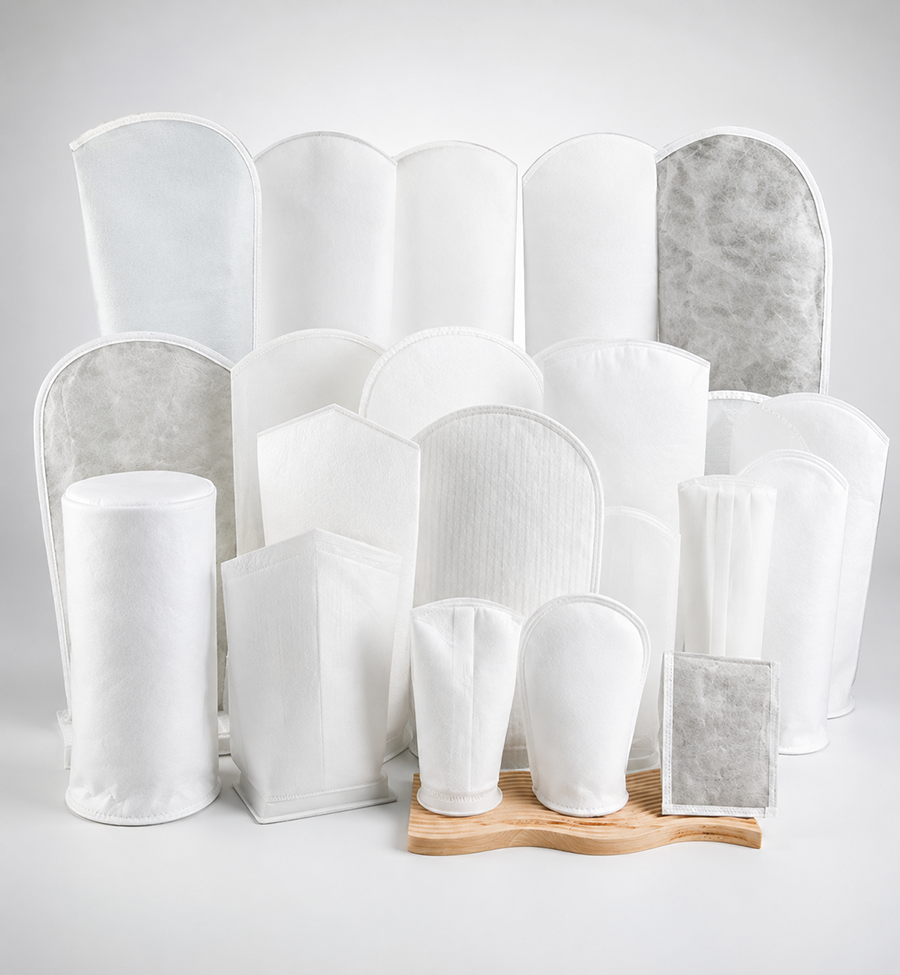
Custom Filter Bags for OEM and Industrial Projects
Industrial Filter Bags for Different Process Requirements
Polypropylene Filter Bag
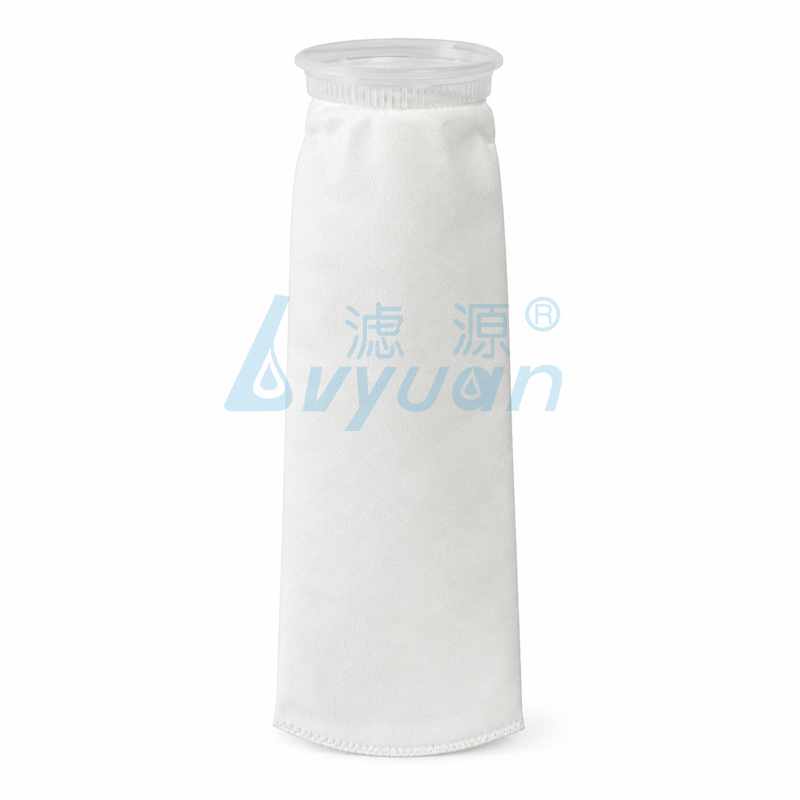
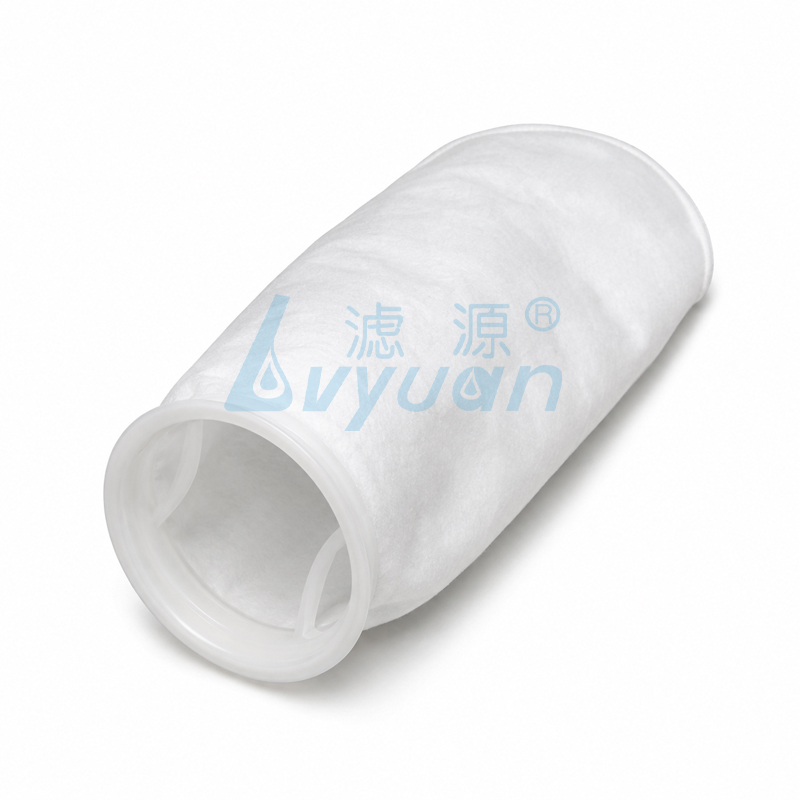
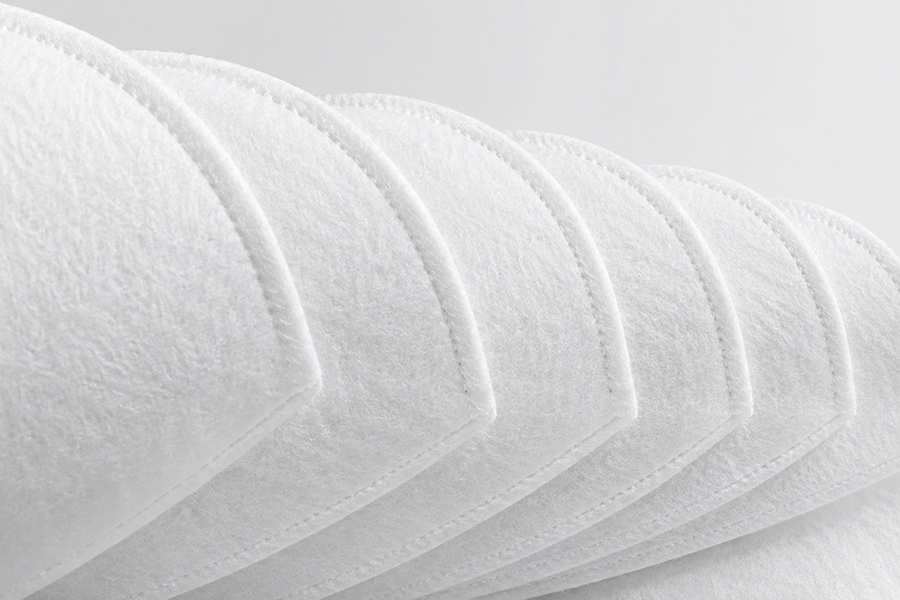
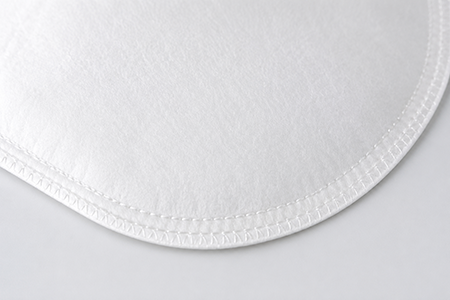
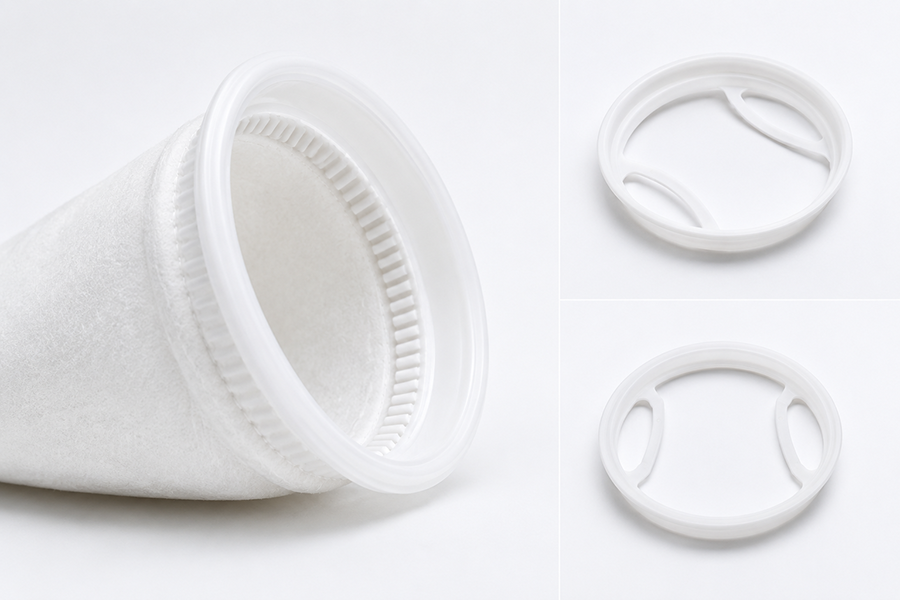
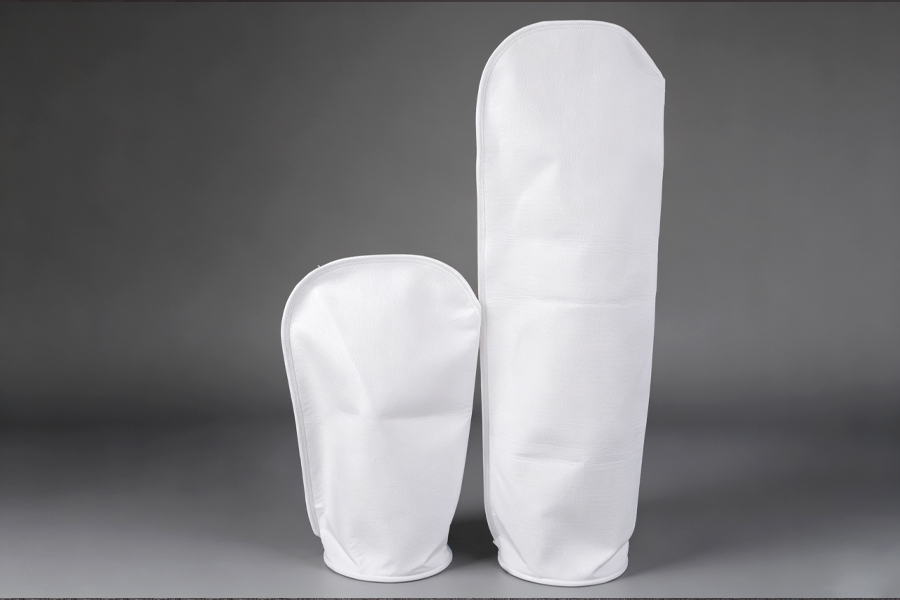
Lvyuan Polypropylene Filter Bag features PP felt media and a molded plastic seal ring for reliable particle removal from water, chemicals, and industrial process liquids.
PE Polyester Liquid Filter Bag
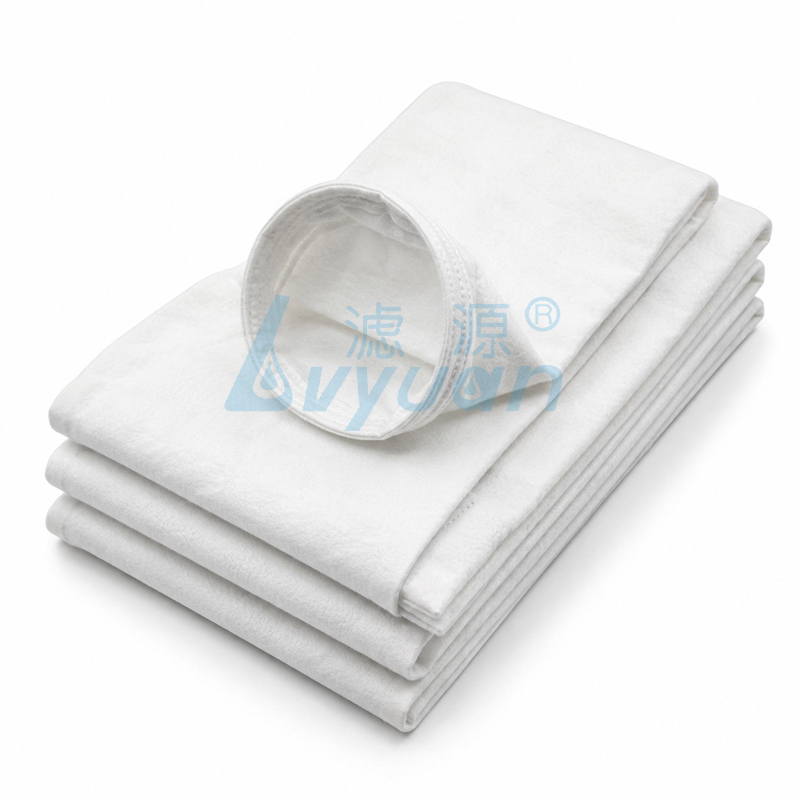
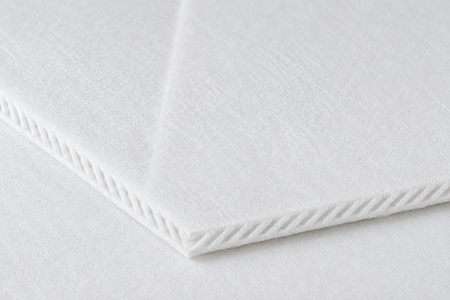
Lvyuan PE Polyester Liquid Filter Bag uses durable polyester felt media for reliable particle removal from water, chemicals, oils and various industrial process liquids.
PTFE Filter Bag
Lvyuan PTFE Filter Bag uses durable PTFE media for reliable particle removal from corrosive chemicals, solvents, acids, alkalis and demanding industrial process liquids.
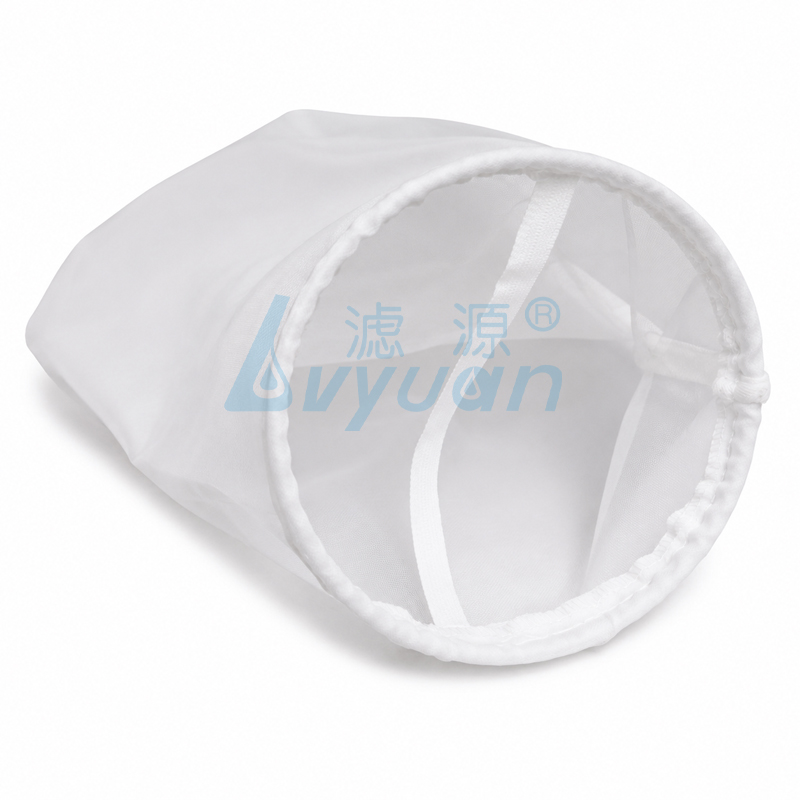
Nylon Mesh Liquid Filter Bag
Lvyuan Stainless Steel Multi-Bag Filter Housing is a high-flow filtration unit that uses multiple filter bags to remove particles from industrial water and process liquids.
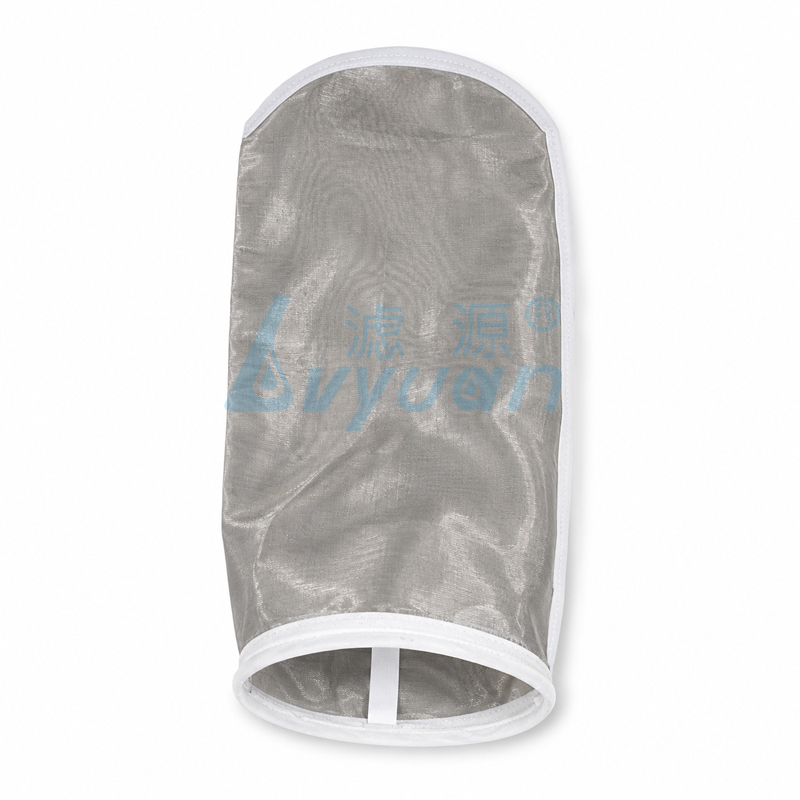
Stainless Steel Mesh Liquid Filter Bag
Lvyuan Stainless Steel Mesh Liquid Filter Bag uses reusable woven metal mesh for durable particle removal from water, oils, chemicals and industrial process liquids.
Filter Bag Material and Media Options


Micron Ratings, Filter Bag Size and Construction Options
Bag diameter, length and sealing geometry must correspond to the supporting basket and housing interface. Incorrect fit can affect sealing and allow undesirable bypass.
Standard market sizes are common, but custom dimensions can be supplied where an OEM assembly or existing housing requires another configuration.
Where retention performance is critical, buyers should confirm how the micron rating was established instead of assuming that every bag with the same nominal number performs identically.
| 선정 기준 | 중요한 이유 |
|---|---|
| Retention | Nominal or manufacturer-defined rating |
| 미디어 | Needle felt / mesh |
| 건설 | Sewn or welded, by design |
| 봉인 | Ring / polymer collar options |
| 시스템 | Single or multi-bag housing |
Custom Filter Bags and OEM Manufacturing
Standard bags cover many filtration duties, but OEM equipment and existing plants frequently require variations in dimensions, sealing arrangements, or media construction.
Depending on the requirement, filter bags can be customized around:
- Filter media and material
- 필수 마이크론 등급
- Diameter and overall length
- Collar, ring, or sealing configuration
- Sewn or welded construction
- Special housing dimensions
- 포장 요건
- OEM labeling
- Sample or drawing-based development
- Production quantities for replacement programs
For customized filtration products, useful technical information includes the process fluid, contaminant, operating temperature, desired retention level, existing housing details, current bag dimensions, ring geometry, and required quantity.
Compatibility with an existing style installation should be confirmed dimensionally rather than assumed from a product description alone. Eaton itself provides replacement filter bags for certain FSI applications, demonstrating why the actual housing interface and bag specification matter when cross-referencing established systems.
Our role as a B2B supplier is to review the requirement before manufacture and customize the bag configuration where the application cannot be served reliably by a standard format.

Selecting a Filter Bag for the Right Filtration Duty
Selecting a filter bag should involve the complete operating condition. A lower micron number does not automatically produce a better system. If the media is unnecessarily fine for a high dirt load, differential pressure may rise quickly and replacement frequency may increase.
Key selection factors include the contaminant type, particle distribution, solids concentration, process liquid, chemical compatibility, operating temperature, required flow, acceptable pressure differential, housing size, maintenance practice, disposal requirements, and desired operating cost.
Felt filter bags are commonly considered when depth loading and suspended-particle removal are important. Polypropylene may be evaluated for many compatible aqueous or chemical duties, while polyester may be preferred where its specific material properties better match the process. Nylon or monofilament mesh can be considered for larger particles, screen-like separation, or applications where a cleanable surface medium is useful.
For high solids loading, simply specifying a finer right filter bag can create unnecessary maintenance. Increasing effective area or using a high capacity media design may be more appropriate in some systems. Commercial high efficiency filter bags and extended-area designs also exist, but “high-efficiency” or “high-performance” should refer to a defined product construction and tested retention behavior rather than serve as a generic marketing description. Eaton, for example, offers extended-life and pleated bag constructions specifically designed to increase usable filtration area or dirt-holding capacity.

Filter Bag Filtration for Industrial Liquid Processing
A filter bag is a replaceable filter media element installed inside a supporting basket within a pressure housing. During operation, process liquid passes through the bag media while particles larger than the effective retention capability are captured either within the depth of felt media or on the surface of mesh media.
Bag filtration is widely used where relatively large volumes of liquid need economical solids removal without the complexity of more specialized separation equipment. Established industrial filtration manufacturers describe filter bags as suitable for removing unwanted particles from liquids across applications ranging from water and chemicals to coatings and other process fluids.
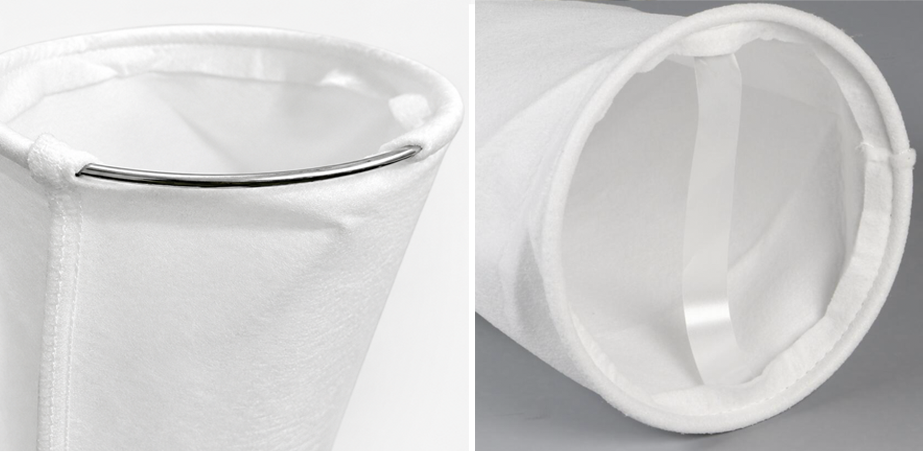
Performance depends on the complete assembly rather than the filter bag alone. The bag must fit the housing and restrainer basket correctly, while the sealing ring or collar must engage properly with the housing design. Media type, retention rating, dimensions, seam construction, process conditions, and contaminant characteristics therefore need to be considered together.
This category covers 액체 여과 백 rather than dust collector bags or baghouse products. It is also distinct from a pleat-style cartridge filter, although bag and cartridge technologies may both be used at different stages within industrial filtration systems.
Industrial Filter Bags for Different Process Requirements
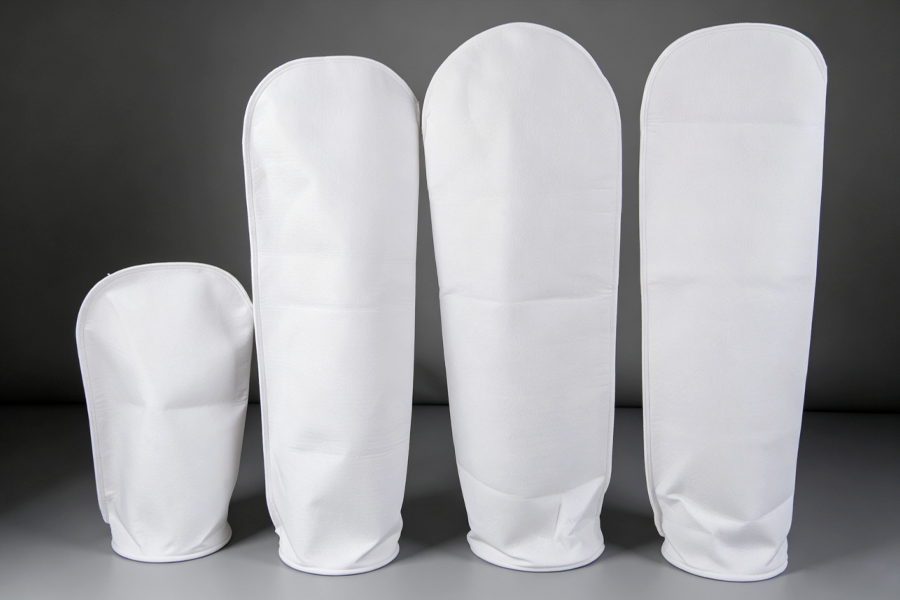
Our filter bag range can be configured around different filtration requirements, including variations in filter media, micron ratings, bag size, felt or mesh construction, and collar or ring design. Options can be matched to suitable filter housings and evaluated according to process liquid, contaminant characteristics, operating conditions, solids loading, and required filtration performance. Product examples can therefore be selected according to the needs of each application rather than treated as one universal specification.
Filter Bag Applications Across Industry
Bag filters are used across many liquid-processing operations because they can handle both routine clarification and process protection duties.
Water and wastewater processing: They may remove rust, pipe scale, suspended solids, treatment residues, or other particulate before downstream equipment.
Chemical processing: Appropriate media can be used for raw materials, intermediate streams, resins, cleaning liquids, or compatible chemical solutions. Material selection must account for actual chemistry.
Paints, coatings, and inks: Filtration can remove agglomerates, skins, unwanted particles, and process debris before filling or downstream application equipment. Eaton identifies paints, varnishes, inks, and chemicals among established applications for its bag filtration products.
Plating and surface treatment: Bags may provide particulate removal from compatible process or rinse liquids, helping protect pumps, nozzles, and downstream treatment stages.
Food and beverage processing: Suitable, documented media can be applied to beverages, edible oils, process water, sugar solutions, and related duties. Food-contact compliance must be confirmed for the specific product rather than assumed for every polypropylene or polyester bag.
Oils and lubricants: Bag filtration may remove particulate contamination from compatible lubricants, hydraulic fluids, or processing oils.
Other duties include cooling water, pre-filtration, activated carbon recovery or removal, equipment protection, and general industrial liquid processing. Media compatibility should be reviewed separately for each application.

Filter Bag Performance, Particle Loading and Replacement
Actual filter performance is influenced by the media, effective filtration area, particle characteristics, incoming dirt concentration, liquid viscosity, flow conditions, differential pressure, and the condition of the housing assembly.
As solids accumulate, resistance across the bag normally increases. The appropriate replacement point should therefore be based on the process specification, housing limitations, flow requirements, and operating experience rather than on an assumed fixed service interval.
Installing the bag correctly is equally important. The element should sit properly inside the support basket, and the sealing interface should engage as intended. Eaton specifically notes correct insertion and alignment as part of proper bag installation for one of its commercial product ranges.
A properly specified system can help avoid premature replacement, excessive pressure drop, unnecessary downtime, and avoidable media consumption. It does not, however, eliminate maintenance. Service life varies considerably with contaminant load and operating conditions.
Where greater solids capacity is needed, extended-area or multi-layer media types may be evaluated instead of repeatedly shortening the change-out interval. Multi-bag housings can also increase available filtration area where system flow and process design justify a larger assembly.
Why Filter Bag Supplier Consistency Matters
A filter bag is a consumable component, so procurement performance is affected by repeatability over many replacement cycles.
Industrial buyers should evaluate whether a supplier can maintain consistent media specification, dimensional control, seam quality, ring or collar fit, and general assembly quality. Material traceability may also be relevant where the process or internal quality system requires it.
Consistent dimensions are particularly important for replacement programs. A bag that fits loosely, seals incorrectly, or differs significantly from the approved construction can change filtration behavior even when the nominal micron rating appears unchanged.
A professional supplier should also be able to discuss the application in technical terms rather than recommend products solely from a micron number. Process chemistry, temperature, dirt loading, housing geometry, and filtration objective all affect the final choice.
This approach reduces sourcing risk and helps purchasing teams maintain greater reliability across repeat orders without relying on unsupported claims of “high-quality,” “innovative,” or universal performance.

Filter Bag FAQ
Start with the process liquid and filtration objective. Identify the contaminant, approximate particle size, solids concentration, desired retention, operating temperature, required flow, existing housing, and acceptable differential pressure. Then compare suitable media and construction options. A polypropylene felt bag, polyester felt bag, or nylon mesh bag can behave quite differently even when similar dimensions are used.
Choose a rating according to the particle size that needs to be controlled and the required downstream result. Avoid automatically selecting the smallest micron rating. Overly fine media can load quickly where contaminant concentration is high. Also confirm whether the specified micron ratings are nominal, absolute, or based on another manufacturer-defined retention method.
Felt generally provides a depth-loading structure in which particles can be retained through part of the media thickness. This makes it useful for many suspended-solids applications. Mesh usually provides surface retention through defined woven openings and can be appropriate for larger particles or screening duties. The better solution depends on particle distribution, solids loading, cleaning expectations, and process conditions.
Both materials are widely used for industrial needle-felt filter bags. Their chemical and thermal characteristics are different, so selection should be based on the actual fluid and operating temperature. A published temperature limit for one bag design should not be generalized to every product using the same polymer.
Some mesh bags may be cleaned and reused where the material, contaminant, process requirements, and cleaning method permit. Felt bags are more often treated as replaceable filtration media because solids can become embedded within the depth structure. Reuse should be evaluated according to bag condition, cleaning effectiveness, contamination risk, labor cost, and the requirements of the specific process.
Check the existing housing, restrainer basket, installed bag dimensions, and sealing interface. Diameter and length alone may not be enough because collar or ring geometry also affects compatibility. If an existing accessory or bag is available, its dimensions, photographs, drawing, or sample can help confirm the required assembly.
Provide the liquid or chemical composition, contaminant type, target particle removal, preferred material, required micron rating, bag dimensions, collar or ring style, operating temperature, flow requirement, existing housing information, and quantity. Information about current bag performance or replacement frequency can also help identify whether another media construction should be evaluated.
Request Filter Bag Specifications or a Quotation
For a new filtration project or replacement requirement, send us your process fluid, contaminant or particle type, required micron rating, filter bag size, preferred media, flow requirement, operating temperature, existing housing information, and required quantity.
We can review the available filter bag configuration, discuss material and construction options, and assist with specification matching, custom requirements, samples, pricing, or a formal quotation for your industrial filtration project.