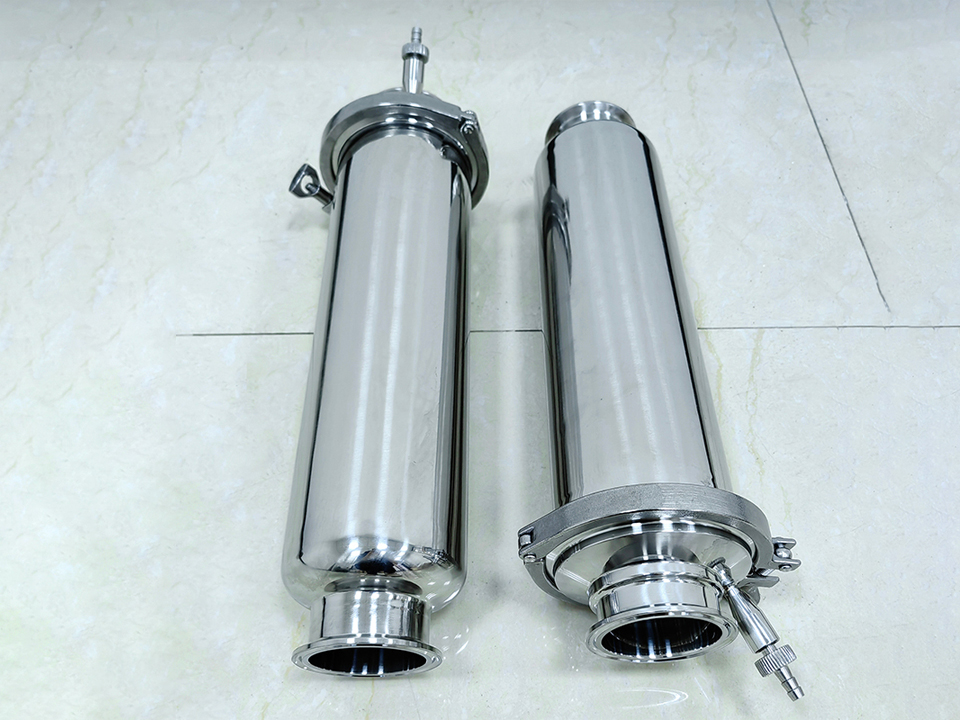
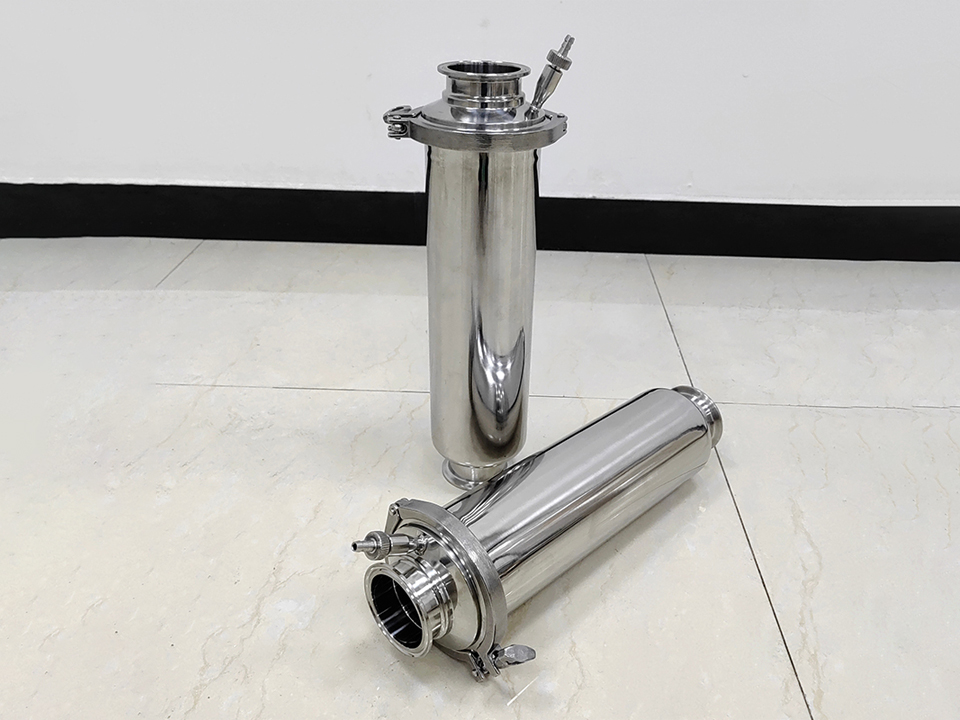
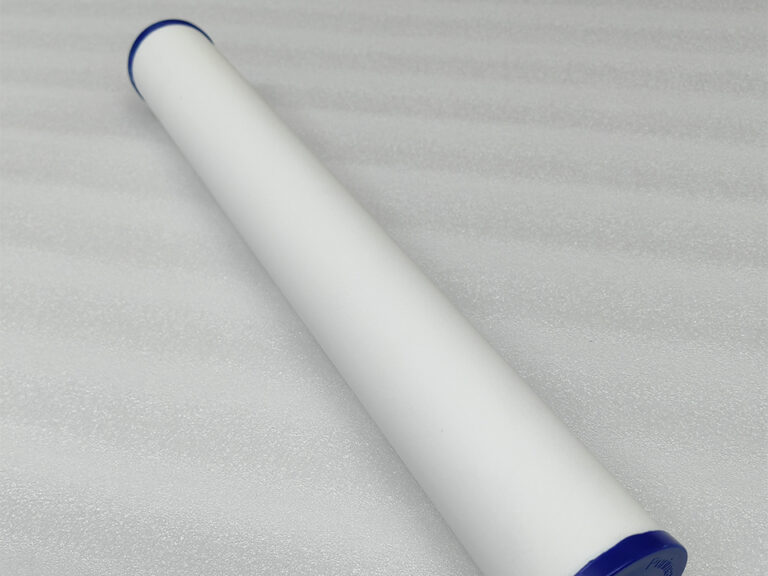
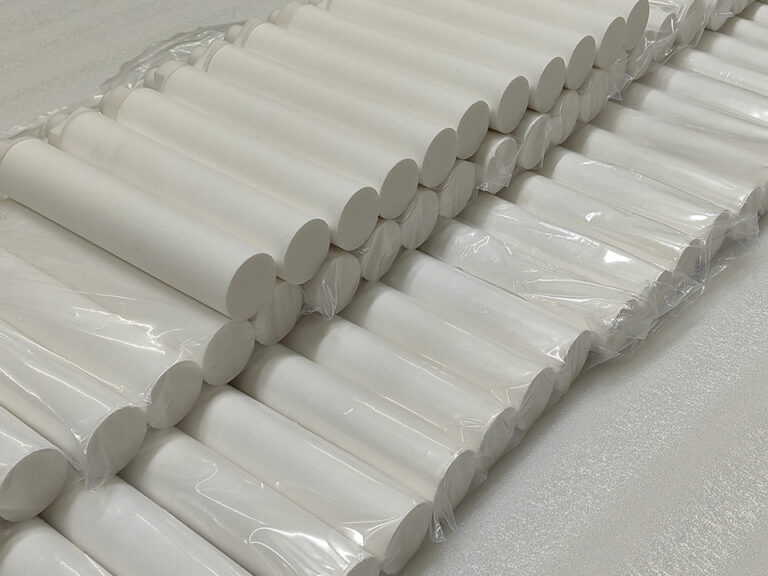
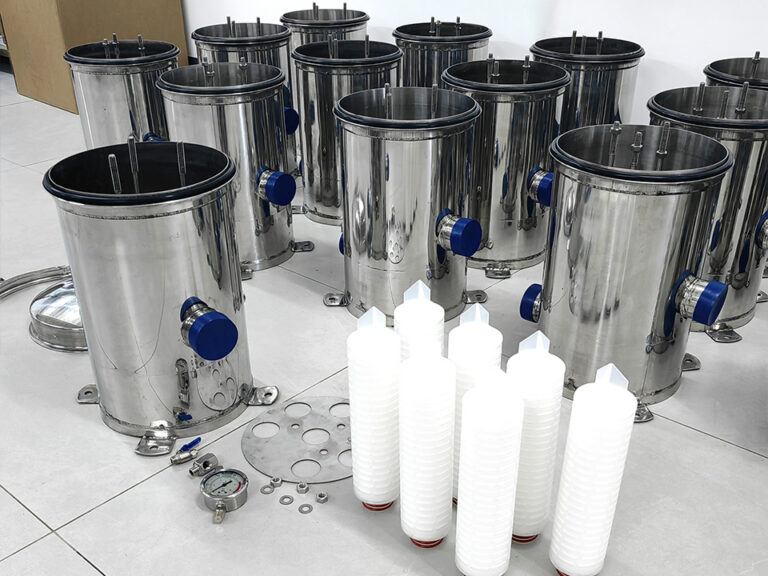
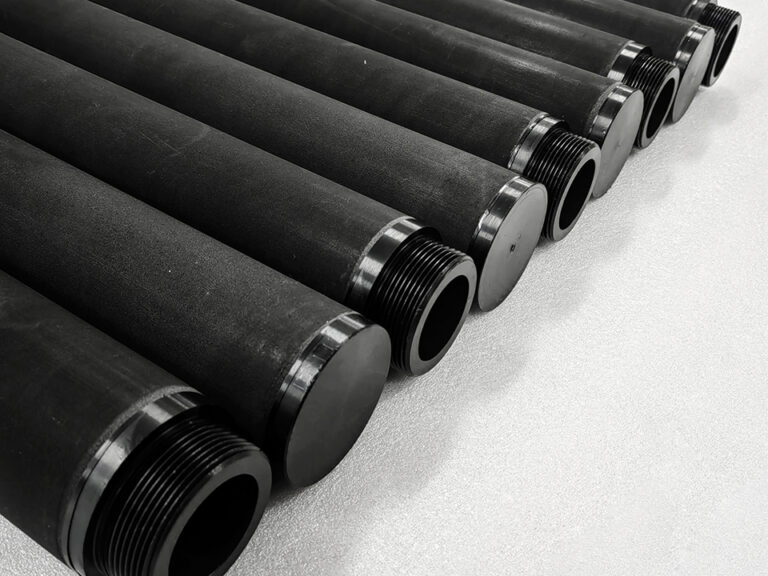
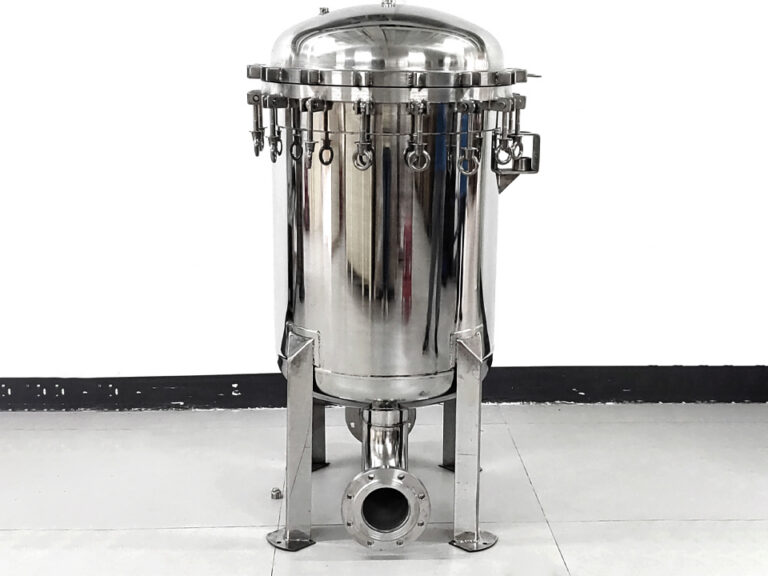
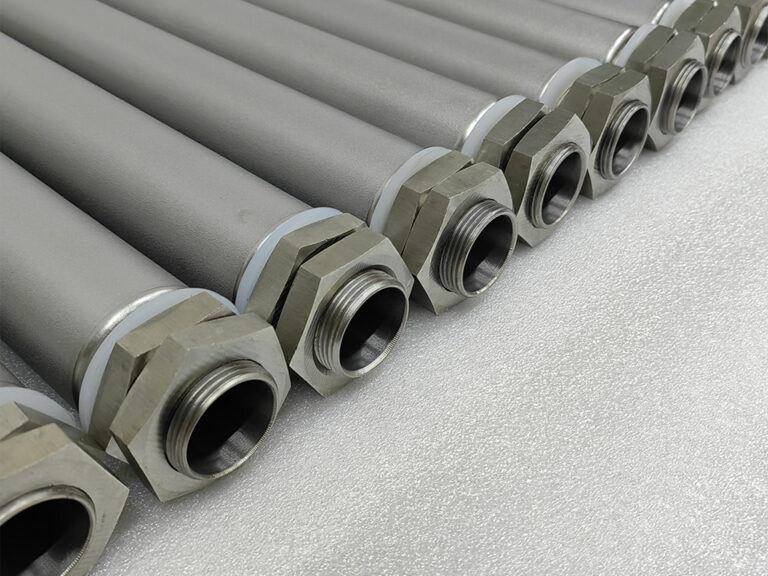
는 2009년에 설립된 산업용 필터 제조업체로 스테인리스 스틸 필터 하우징, 스테인리스 스틸 멸균수 탱크, 필터 요소, 필터 백, 초폴리머 재료 및 소결 필터 제품을 설계 및 제조합니다. 구매자는 OEM/ODM 지원, ISO9001 품질 관리 및 다국가 인증을 위해 Lvyuan을 선택합니다.
How to Write an RFQ for Industrial Filter Housings Buyers Guide
That is the problem. They say “please quote stainless steel housing, 10 inch, 5 micron” and then procurement acts surprised when three suppliers return three technically different offers, each with a different interpretation of pressure rating, gasket material, connection standard, cartridge interface, weld finish, drain design, and lead time risk. Who exactly owns the mistake when the housing arrives and the cartridge does not seal?
I’ve seen buyers fight harder over a $9 freight surcharge than over whether the vessel was ASME-stamped, hydrotested, passivated, or even suitable for CIP chemicals. That is not tough procurement. That is theater.
The hard truth: an industrial filter housing RFQ is not a request for a price. It is a request for proof.
And in 2024 procurement got less forgiving. Deloitte reported that average lead time for production materials in April 2024 was still 79 days, down from the July 2022 peak of 100 days but still above 2019’s roughly 65-day norm; the same analysis pointed to supplier-delivery stress tied to raw material supply chains.Thomson Reuters also found in its 2024 Global Trade Report that 74% of surveyed trade professionals said supply chain due diligence affected their businesses, while 81% said ESG issues were a major factor in supplier selection.
So, yes, your Industrial Filter Housings RFQ needs pricing. But it also needs enough technical gravity to force suppliers into a comparable, auditable answer.
목차
Why Most Industrial Filter Housing RFQs Fail
The usual RFQ failure is not ignorance. It is omission.
A buyer asks for an industrial filter housing but leaves out the operating fluid, peak temperature, differential pressure limit, flow rate, solids loading, cleaning method, connection type, gasket chemistry, element interface, and documentation requirements. Then procurement compares quotes as if “SS304 housing” means the same thing from every factory. It does not.
One supplier may assume water at ambient temperature. Another may assume low-pressure polishing service. Another may quote a housing shell that looks right on a screen but uses a gasket that swells in solvent, steam, brine, caustic, wine, oil, or weak acid.
Specifications prevent lawsuits.
The 2024 EPA PFAS rule is a useful reminder that filtration buyers now operate in a tighter regulatory climate: the Federal Register rule set trigger levels including PFOA at 2.0 ng/L and PFOS at 2.0 ng/L, with quarterly monitoring beginning April 26, 2027 for regulated PFAS detected at or above trigger levels. ([Federal Register][3]) Reuters also reported that EPA designated PFOA and PFOS as hazardous substances under Superfund in April 2024, with potential liability consequences for contamination cleanup.
That is why vague filter housing procurement is not just sloppy. In water, food, beverage, chemicals, pharma support utilities, and environmental treatment, it can become a paper trail problem.

Start the RFQ With the Process, Not the Product
A supplier cannot quote intelligently until they understand the service.
Do not begin with “10-inch stainless steel cartridge housing.” Begin with the process: feed water, wine, edible oil, coolant, RO prefiltration, compressed air condensate, plating bath, seawater, resin trap, boiler makeup, wastewater polishing, or CIP loop.
A serious industrial filter housing RFQ should include:
- Fluid name and chemistry, including pH, salinity, solvent content, oils, oxidizers, chlorine, H₂O₂, NaOH, HCl, or other cleaning chemicals.
- Design flow rate in m³/h, LPM, GPM, or Nm³/h for gas.
- Operating pressure, design pressure, and maximum differential pressure.
- Operating temperature and cleaning temperature.
- Filtration target: nominal micron, absolute micron, beta ratio, turbidity, particle size, microbial risk, resin fines, or visible solids.
- Required housing style: cartridge, bag, multi-cartridge, sanitary, clamp closure, bolted closure, swing-bolt, duplex, high-flow, or custom vessel.
- Cartridge or bag interface: DOE, SOE, 222 flat, 222 fin, 226 fin, 215, M36, code 7, size #1 bag, size #2 bag, or custom.
- Documentation: drawing, pressure test certificate, material certificate, gasket certificate, welding record, surface finish report, or inspection photo set.
For buyers sourcing pleated elements and housings together, it makes sense to tie the housing RFQ to the element geometry. For example, a request involving industrial polypropylene pleated filter cartridges with 222, 226, and 215 adaptors should not be written as “standard cartridge housing.” Standard to whom?
The RFQ Data Suppliers Actually Need
Suppliers love incomplete RFQs. I know that sounds cynical. But incomplete RFQs let weak suppliers quote low, hide exclusions, and blame the buyer later.
A clean Industrial filter housing RFQ should contain a technical schedule like this:
| RFQ Field | What to Specify | Why It Matters | Bad RFQ Example | Better RFQ Example |
|---|---|---|---|---|
| Fluid | Chemical name, solids, pH, viscosity | Determines housing material and gasket | “Water” | “RO pretreatment water, pH 6.8–7.5, free chlorine <0.1 ppm” |
| 유량 | Normal and peak flow | Prevents undersizing and high ΔP | “High flow” | “Normal 12 m³/h, peak 15 m³/h” |
| Pressure | Operating, design, test pressure | Controls shell thickness and closure type | “10 bar” | “6 bar operating, 10 bar design, hydrotest required” |
| Temperature | Normal, peak, CIP | Affects seals and plastics | “Room temp” | “25°C normal, 80°C CIP for 30 minutes” |
| Element interface | DOE, 222, 226, fin, flat, spring | Prevents bypass | “10-inch cartridge” | “20-inch SOE 226 fin end, EPDM seal” |
| Housing material | SS304, SS316L, PP, UPVC, carbon steel | Prevents corrosion and contamination | “Stainless” | “SS316L wetted parts, Ra ≤0.8 μm if sanitary” |
| 연결 | Flange, NPT, BSP, tri-clamp, DIN, ANSI | Avoids field modification | “1 inch inlet” | “DN25 PN16 flange, side inlet, bottom outlet” |
| Documents | Drawing, MTC, pressure test, photos | Makes quote auditable | “Need certs” | “2D drawing, MTC EN 10204 3.1, pressure test report” |
Notice what is missing from the table: brand worship.
I do not care if the supplier’s brochure says “premium.” I care whether the quoted housing fits the cartridge, survives the chemistry, seals under differential pressure, drains fully, and arrives with paperwork that your QA, engineering, and maintenance teams can use.

Cartridge Filter Housing Specifications: Where Buyers Get Burned
Cartridge housings fail quietly. Bag housings usually announce trouble with mess, leaks, or pressure spikes; cartridge housings can bypass internally for weeks while everyone admires the stainless steel.
The dangerous area is the seal.
A DOE cartridge may be cheaper, but it relies on compression and alignment. A 222 or 226 SOE cartridge gives better positive sealing, but only if the housing cup, spring, locator, and end-cap geometry are matched. If your RFQ only says “cartridge housing for 10-inch filter,” you have already lost control of the quote.
For wine, beverage, and purified water applications, buyers often move toward stainless housings with sanitary-minded finishes. A specification tied to a SS316L stainless steel 10-inch or 20-inch wine filter housing with absolute micron cartridge compatibility should call out the micron target, seal material, surface finish, connection style, and whether the application needs absolute-rated filtration rather than nominal marketing language.
Ask for photos. Ask for drawings. Ask for the internal seal seat.
And ask this ugly question: “If the cartridge bypasses, how would we know?”
Bag Filter Housing Procurement: The Cheap Trap
Bag filter housing procurement looks simpler. It is not.
A bag housing RFQ needs bag size, ring type, basket perforation, lid closure, vent, drain, displacement volume, flow direction, gasket material, and change-out constraints. If the plant has operators changing bags daily, ergonomics matter. If the fluid is hot, sticky, hazardous, or expensive, the lid design matters more than the buyer wants to admit.
Here is my unpopular opinion: many buyers overbuy stainless grade and underbuy closure quality.
They will insist on SS316L for mildly treated water but accept a flimsy lid system, poor basket fit, or no proper vent. That is backward risk thinking. Material matters, yes, especially with chloride, acids, food contact, or aggressive cleaning. But a housing that is awkward to open, hard to drain, and easy to mis-seat will punish the plant every shift.
Material Specifications: SS304, SS316L, PP, and the Chemistry Problem
“Stainless steel” is not a material specification. It is a shortcut.
For general water service, SS304 may be acceptable. For higher chloride exposure, food and beverage, coastal installations, certain chemicals, or aggressive cleaning, SS316L often becomes the safer choice. For corrosive water, acids, alkalis, or cost-sensitive low-pressure service, polypropylene can be the better answer, not the cheap answer.
The RFQ should define wetted materials separately from non-wetted materials. Shell, head, closure bolts, legs, drain plug, vent valve, basket, spring, tie rod, cartridge locator, and gasket may not be the same material. That is where bad quotes hide.
For multi-element applications, the RFQ should also specify the cartridge adaptor. If you are buying a food-grade SS304 multi-cartridge filter housing with DOE and 222 UF compatibility, do not leave the supplier to infer whether the plant expects DOE compression sealing, SOE positive sealing, or UF-style element retention.
But do not write an impossible spec either. I have seen RFQs demand SS316L, mirror polish, ASME code, 3.1 material certificates, sanitary welds, FDA gaskets, 2-day delivery, and the price of a commodity PP vessel. That is not procurement discipline. That is fantasy with a deadline.
What to Include in an Industrial Filter Housing RFQ
Here is the working checklist I would use before sending a request for quote filter housing package to suppliers.
Commercial Data
Company name, project name, delivery address, required Incoterms, target delivery date, quantity, expected annual demand, spare part requirements, currency, payment terms, and quotation validity.
Process Data
Fluid, pH, viscosity, solids type, particle load, flow rate, normal pressure, design pressure, maximum differential pressure, normal temperature, peak temperature, batch or continuous operation, cleaning method, and service hours per day.
Mechanical Data
Housing style, number of cartridges or bags, element length, element diameter, end-cap code, connection standard, inlet and outlet orientation, vent, drain, mounting, closure type, lifting lug, pressure gauge ports, and differential pressure port requirements.
Material Data
Wetted shell material, internal hardware material, gasket material, clamp or bolt material, basket material, surface finish, passivation, polishing, lining, coating, and chemical compatibility notes.
Quality Data
Pressure test requirement, inspection standard, welding standard, material certificate, dimensional drawing, spare gasket list, photo documentation, packaging standard, and nonconformance handling.
Quote Format
Force every bidder to answer in the same structure. Unit price, tooling cost, drawing cost, testing cost, packaging cost, freight term, lead time, warranty, exclusions, and alternative proposal must be separated.
This is where a supplier’s discipline becomes visible. A good supplier will challenge bad assumptions. A weak one will quote whatever gets the purchase order.
The Supplier Questions That Expose Weak Quotes
Send these questions with the RFQ. Do not save them for after price comparison.
- What is the design pressure, and what test pressure will be used?
- Are all wetted parts the same material grade?
- What gasket material is quoted, and what chemicals is it compatible with?
- Which cartridge or bag interface is assumed?
- Can you provide a sectional drawing before production?
- What is the maximum recommended differential pressure?
- Is the quoted micron rating nominal or absolute?
- What spare parts are included or recommended?
- Are vent and drain ports included?
- What are the exclusions?
The exclusions matter most.
A quote that says “price includes housing only” may exclude cartridge elements, gaskets, clamps, pressure gauges, certificates, polishing, passivation, packaging, and freight. Procurement teams sometimes call that savings. Maintenance calls it a delay.
Industrial Filtration Buyers Guide: Quote Comparison Framework
A professional industrial filtration buyers guide does not compare suppliers only by price. It compares risk.
| Evaluation Category | Low-Risk Supplier Signal | High-Risk Supplier Signal | Buyer Action |
|---|---|---|---|
| Technical response | Answers every RFQ field directly | Sends brochure and lump-sum price | Request revised quote or reject |
| Cartridge fit | Confirms end-cap code, seal, length, spring design | Says “standard cartridge fits” | Demand drawing |
| Material traceability | Offers material certificate and wetted-part list | Says “stainless steel” only | Clarify grade and certificate |
| Pressure rating | States design and test pressure | States only operating pressure | Require pressure test report |
| Gasket compatibility | Names EPDM, Viton/FKM, silicone, PTFE, NBR | Says “rubber seal” | Specify exact elastomer |
| Lead time | Gives production and shipping split | Gives vague delivery promise | Ask for schedule |
| Documentation | Provides drawing, photos, QC files | Treats documents as optional | Make docs part of PO |
| 보증 | Defines scope and exclusions | Uses generic warranty language | Ask for written terms |
Use weighted scoring. I usually tell buyers to weight price at 30%, technical compliance at 40%, delivery at 15%, documentation at 10%, and supplier communication at 5%. Some CFOs hate that. Good. It means the table is doing its job.
RFQ Template for Industrial Filter Housings
Copy this structure and make suppliers fill it in.
Project: 애플리케이션: Fluid: 유량: Operating Pressure: Design Pressure: Max Differential Pressure: Operating Temperature: Cleaning/CIP Conditions: Housing Type: Number of Elements: Element Length: Element End Cap: Micron Rating: Nominal or Absolute: Housing Material: Gasket Material: Connection Standard: Inlet/Outlet Orientation: Vent/Drain: Surface Finish: Required Documents: Testing Requirement: Quantity: Delivery Term: Required Lead Time: Spare Parts: Supplier Exceptions:
If your RFQ includes filter cartridges, connect the element and housing requirement. A buyer specifying pleated water filter cartridges for water purification should ask the supplier to confirm cartridge length tolerance, end-cap style, seal material, micron rating basis, and compatibility with the quoted housing.
Same principle applies to integrated water treatment packages. If the housing is part of an RO or softener train, the RFQ should reference pretreatment role, service flow, and contaminant burden, not just vessel size. A system context like resin softener and reverse osmosis water purifier applications changes what “acceptable filtration” means.
The Dirty Secret About “Equivalent” Filter Housings
Equivalent is a dangerous word.
A supplier may say its housing is equivalent to a known design. Fine. Make them prove it. Equivalent in shell volume? Equivalent in pressure rating? Equivalent in cartridge seal? Equivalent in gasket material? Equivalent in surface finish? Equivalent in code compliance? Equivalent in lead time?
The word often means “similar enough to sell.”
That may be acceptable for low-risk water polishing. It is not acceptable for food contact, regulated water, high-pressure service, aggressive chemicals, sterile-adjacent processes, or production lines where a shutdown costs $5,000 to $50,000 per hour.
자주 묻는 질문
What is an industrial filter housing RFQ?
An industrial filter housing RFQ is a structured purchasing document that defines the process conditions, housing design, filter element interface, materials, pressure rating, documentation, testing, and commercial terms required for a supplier to quote a comparable filtration vessel. It turns a vague buying request into an auditable technical specification.
A good RFQ protects the buyer from hidden assumptions. It should state fluid chemistry, flow rate, operating pressure, differential pressure, temperature, micron requirement, cartridge or bag code, housing material, gasket material, inlet and outlet standard, and documents required before shipment.
How do I write an RFQ for industrial filter housings?
To write an RFQ for industrial filter housings, start with the application and process data, then define the housing style, element interface, material grade, pressure and temperature limits, connection standard, inspection documents, delivery terms, and quote format. The supplier should answer each field without guessing.
Do not begin with price. Begin with failure modes: corrosion, bypass, leakage, pressure drop, wrong cartridge fit, gasket incompatibility, missing certificates, and impossible lead times. Then make the RFQ force suppliers to address those risks in writing.
What specifications should be included for cartridge filter housing procurement?
Cartridge filter housing specifications should include cartridge length, diameter, end-cap code, seal material, micron rating basis, flow rate, maximum differential pressure, housing material, closure type, connection standard, vent, drain, surface finish, and required documents. These details prevent bypass, misfit, corrosion, and quote manipulation.
The end-cap code is especially important. DOE, 222 flat, 222 fin, 226 fin, and other interfaces are not interchangeable without design consequences. If the supplier does not confirm the internal seal geometry, you do not yet have a real technical quote.
What is the difference between cartridge and bag filter housing procurement?
Cartridge filter housing procurement focuses on element sealing, micron precision, bypass prevention, and cartridge interface, while bag filter housing procurement focuses on dirt-holding capacity, basket fit, change-out access, ring seal, lid closure, venting, and draining. Both need chemistry, pressure, temperature, and flow data.
In plain terms, cartridge housings are often chosen for finer filtration and cleaner change-outs. Bag housings are often chosen for higher solids loading and lower consumable cost. But either type can fail if the RFQ ignores real operating conditions.
Which material is best for industrial filter housings?
The best material for industrial filter housings depends on fluid chemistry, pressure, temperature, hygiene requirements, chloride exposure, cleaning chemicals, and budget. SS304, SS316L, polypropylene, UPVC, carbon steel, and lined vessels can all be correct in different services when properly specified.
SS316L is not automatically the smartest choice. Polypropylene may beat stainless in some corrosive low-pressure services. SS304 may be sufficient for general water. The RFQ should require the supplier to confirm chemical compatibility and separate wetted-part materials from external hardware.
What should I ask suppliers before awarding a filter housing order?
Before awarding a filter housing order, ask suppliers to confirm design pressure, test pressure, wetted materials, gasket chemistry, cartridge or bag interface, maximum differential pressure, vent and drain design, drawing availability, certificate package, spare parts, lead time, exclusions, and warranty terms. Their answers reveal quote quality fast.
I would not award based on a brochure and a price. A supplier who cannot provide a drawing, material breakdown, and test basis before production should not be trusted with process equipment that can shut down a line.
결론
Send fewer lazy RFQs.
If you are sourcing Industrial Filter Housings, write the RFQ like a technical contract, not a shopping email. Define the fluid, pressure, temperature, element interface, material, gasket, documents, testing, and exclusions before anyone quotes a number. Then make suppliers compete on compliance first and price second.
That is how serious buyers avoid cheap housings that become expensive stories.